QEEG-Guided Neurofeedback in San Francisco
Personalized neurofeedback and neurostimulation support for adults who want better focus, steadier mood, stronger recovery, and better stress regulation — guided by brain mapping, not generic protocols.
Free · 20 minutes · No pressure
San Francisco · Bay Area · Remote options available · Since 2021
You may be doing enough and still feeling depleted.
You may be trying to focus and feeling your brain slide away.
You may be managing stress, mood, or attention the best you can — and still feeling stuck.
Neurofeedback helps train the patterns underneath those struggles.
When the brain is locked into inefficient patterns, effort alone usually is not enough. The good news is that those patterns can be measured — and trained.
Why the usual approaches miss.
Talk therapy can help you understand your experience. Other forms of care may help in other ways. Meditation can improve attention. All of that can be useful.
Neurofeedback works at a different level. It trains the underlying regulation patterns that shape focus, recovery, mood stability, stress response, and cognitive performance.
For many people, that is the missing piece.
People often come in wanting support with: focus and attention, stress regulation, recovery quality, mood stability, ADHD-related focus challenges, and nervous-system regulation.
THE BASICS
How neurofeedback and neurostimulation work.
We map your brain first.
We start with brain mapping to see how your brain is functioning. QEEG shows baseline patterns — how your brain is organized at rest. ERP shows how it responds during a task in real time. Together, they help us identify where regulation breaks down and what to train. No guesswork. No generic protocol. Just your data.
Then we train it to shift.
Neurofeedback gives your brain real-time feedback so it can learn more efficient patterns. Neurostimulation can sometimes help when additional support is useful. Training is tailored to your brain and adjusted as your system changes.
And the gains build.
As your brain changes, we reassess and refine the training. The goal is not a temporary boost. The goal is more stable function — better focus, better recovery, and less effort spent fighting your own system.
WHAT CHANGES
What progress actually feels like.
Clarity sharpens.
The fog lifts. Focus holds. Decisions come easier. You stop fighting your own brain to get through the day.
Stress stops accumulating.
Your nervous system learns to settle instead of just endure. Recovery gets easier. Reactivity softens. The background noise quiets down.
Capacity compounds.
Daily life takes less effort to maintain. You have more left over — for the work, the people, and the parts of life that actually matter to you.
"Tasks that used to take effort suddenly felt effortless. Productivity stopped being a fight."
— Conner
"Instead of a generic protocol, I got a plan tailored to my brain. The shift was immediate: calmer, clearer, and moving forward."
— Michael
"Within three weeks, I went from barely functioning to completing most of my work."
— Jonathan
COMMON QUESTIONS
Before you decide.
What does a first session look like?
It starts with a 20-minute consultation. No forms, no commitment, no pressure. We talk about what is going on, what you have already tried, and whether neurofeedback makes sense for your goals. If it does, the next step is brain mapping with QEEG — and sometimes ERP — to see what your brain is actually doing before we decide how to train it.
How long before I notice changes?
Most people notice shifts within the first 5–10 sessions. A typical course runs 20–40 sessions, depending on your brain's response and goals.
How is this different from talk therapy?
Talk therapy works on the content of your experience — what happened, how you feel about it. Neurofeedback works on the structure — the underlying patterns that shape how your brain processes everything. Many clients do both. They address different levels of the same system.
What does it cost?
A typical intensive is around $4,500. That usually includes brain mapping, a personalized protocol, and a full course of training. We will talk through cost, timing, and fit during the consultation so you have a clear picture before making any decision.
Do I need a diagnosis to start?
No. We map your brain's patterns directly. A diagnosis can provide helpful context, but it's not required — and it's not what we base training on.
In-person or remote?
Both. We work with clients in person in San Francisco and also offer remote options for protocols that can be done safely and effectively at home. We will figure out the right format during the consultation.
Peak Mind does not diagnose conditions, prescribe medication, or provide medical treatment. Neurofeedback is personalized brain training and support; medical decisions should be made with your licensed healthcare provider.
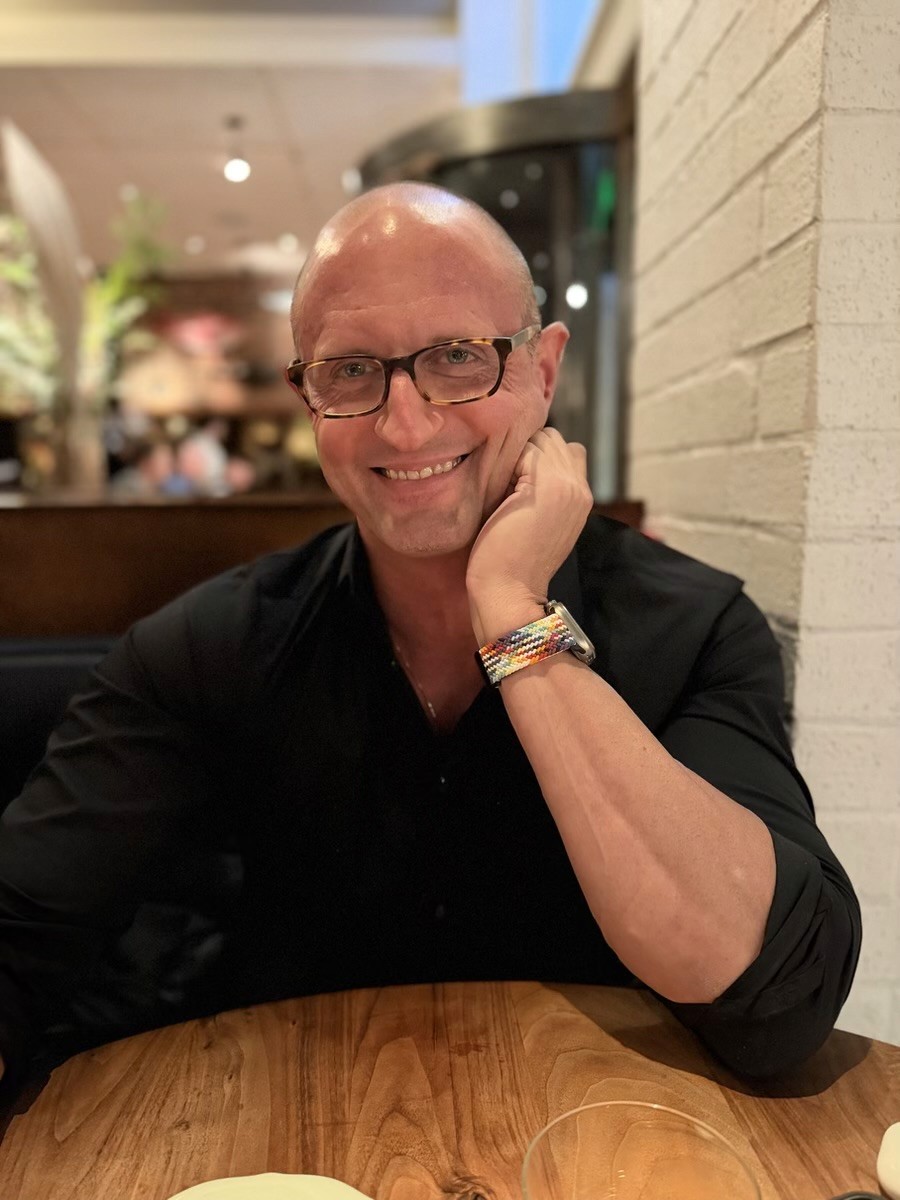
Not a different you. Just you, with the system working.
YOUR PRACTITIONER
James Croall
I spent thirty years in Silicon Valley building systems that had to work under pressure — computer security, complex infrastructure, the kind of engineering where you trace invisible problems back to their source. Now I do the same thing with nervous systems. As a neurotherapist specializing in QEEG-guided neurofeedback and neurostimulation, I help people find out what's actually going on — and train it to shift.
Peak Mind Neurotherapy · San Francisco
Start with a free consultation.
If you are curious whether neurofeedback could help, the next step is simple. We will talk through what is going on, whether this approach fits, and what brain mapping or training might look like for you.
Free · 20 minutes · No pressure